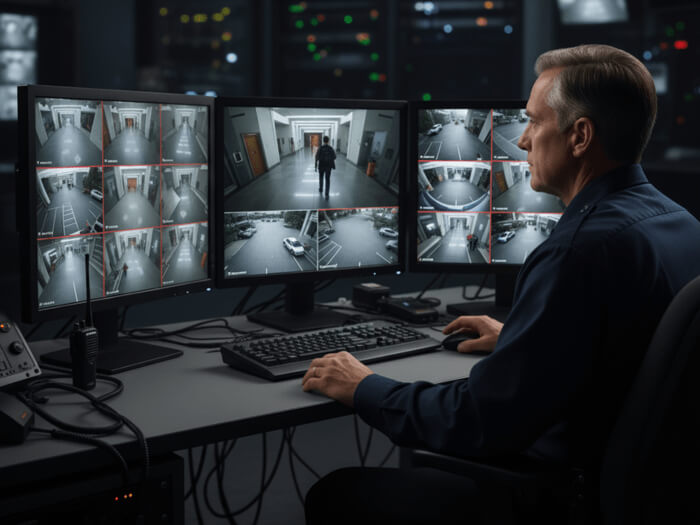

There’s a lot of noise out there about artificial intelligence — some of it exciting, some of it dystopian, and a lot of it just plain wrong. We get it. Hollywood has spent decades convincing us that artificial intelligence is either plotting world domination or building detailed dossiers on our every move. The reality? It’s possible there’s a supervillain out there somewhere building something like that, but for the most part, AI doesn’t care about you personally — and that’s exactly what makes it so powerful for your business.
The myth: AI is watching you
Here’s what we hear all the time: “I don’t want AI tracking me,” or “What if the system recognizes me and builds a profile?” We understand the concern, but here’s the thing – you’re thinking about AI like it’s a nosy neighbor with a really good memory. It’s not.
AI in video surveillance is more like a really, really good pattern-matching machine that happens to be utterly indifferent to your personal life. It doesn’t know you’re having a bad hair day. It doesn’t care that you forgot to wear matching socks or that parallel parking took you five tries. It will focus on things like object recognition, foot traffic patterns, and crowd behavior. That’s why it excels in tasks like person and vehicle detection.
What AI actually does: spot patterns
Think of AI like the world’s most focused librarian. When you ask for “all the books about gardening,” the librarian doesn’t care why you want them or judge your black thumb — they just find the gardening books. That’s exactly how AI works in surveillance.
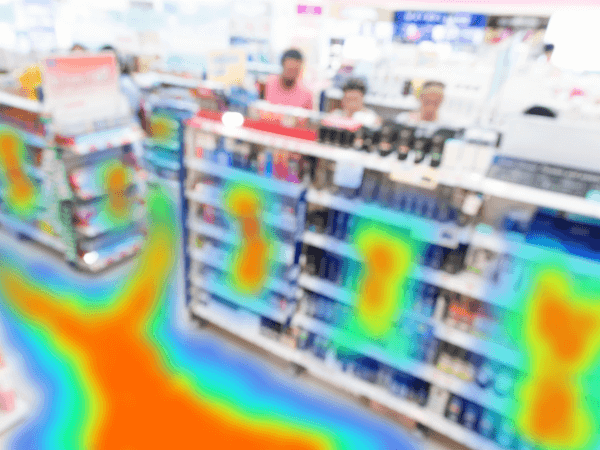
The AI looks for patterns:
- “Show me when people gather in groups larger than 10.”
- “Alert me when someone enters after hours.”
- “Find instances when the loading dock door stayed open too long.”
- “Notify me when checkout lines get backed up.”
It’s not thinking, “Oh, there’s Tom, and he looks stressed.” Instead, it keys in on the relevant fact patterns that the user wants to know about: “Person-shaped object + after-hours timestamp + restricted area = alert condition met.“
Intelligent video platforms learn patterns of behavior, not intimate details about individuals. The most powerful thing about AI in video surveillance isn’t its ability to watch, but its ability to suggest. An ideal AI helps you generate insights like:
- “Traffic flow typically peaks at 2 p.m. on Tuesdays.”
- “The loading dock usually gets busy around lunchtime.”
- “Customer dwell time increases near the promotional displays.”
- “Staff productivity patterns differ between morning and afternoon shifts.”
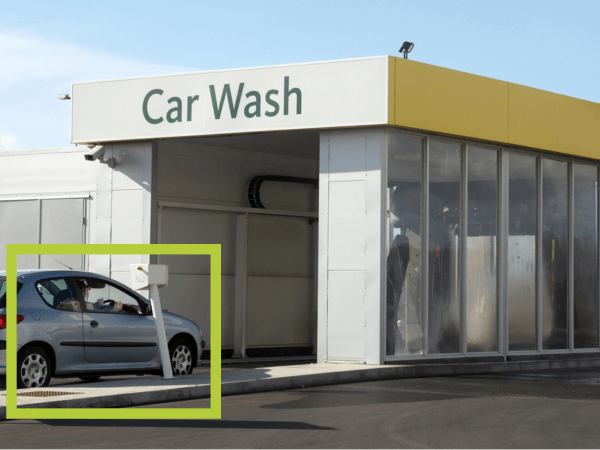
The real risk? Not using AI at all.
Here’s the irony. The fear that AI might be used against you keeps a lot of organizations from using it for them.
Meanwhile, the threats — whether it’s a break-in, an accident, or an operational inefficiency — don’t wait. They happen. And you either catch them in real-time, or you don’t.
AI doesn’t replace human judgment. It enhances it.
AI doesn’t track you. It tracks what matters.
AI doesn’t care who you are. And that’s exactly why it works.

Want to see AI in action?
In Practical Applications of AI in Video Surveillance, Hans Kahler shows how smart systems reduce false alarms, improve efficiency, and keep businesses secure.

With 7 years in B2B tech, she loves making complex technology approachable, fun, and interesting. She’s led countless growth campaigns across SaaS, cybersecurity, and video surveillance.
あなたに興味があるかもしれない他の投稿


Video Surveillance 101: Field of view, distortion, and dewarping
When you select a camera for v…
11月 11, 2025
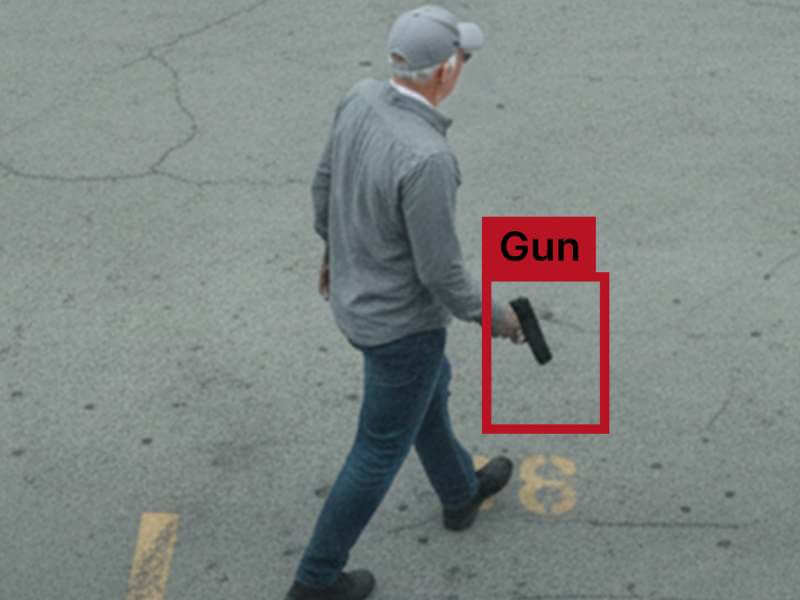
Are there guns in the picture? How video surveillance helps
There have been many cases in …
10月 15, 2025